Skip to content
Accelerator

Industrial symbiosis accelerator

A programme where companies develop solutions for their production residues together with experts: from an idea to an assessed, economically sound solution.

Within the “SINERGIA: industrial symbiosis innovation accelerator” programme, companies work with experts to develop solutions for making better use of production residues. The programme runs under the LIFE Waste To Resources IP project, delivered by the CLEANTECH LATVIA association together with the Riga Technical University Science and Innovation Centre.

Open for applicationsIn progress

SIA “Vudlande”

Wood processing

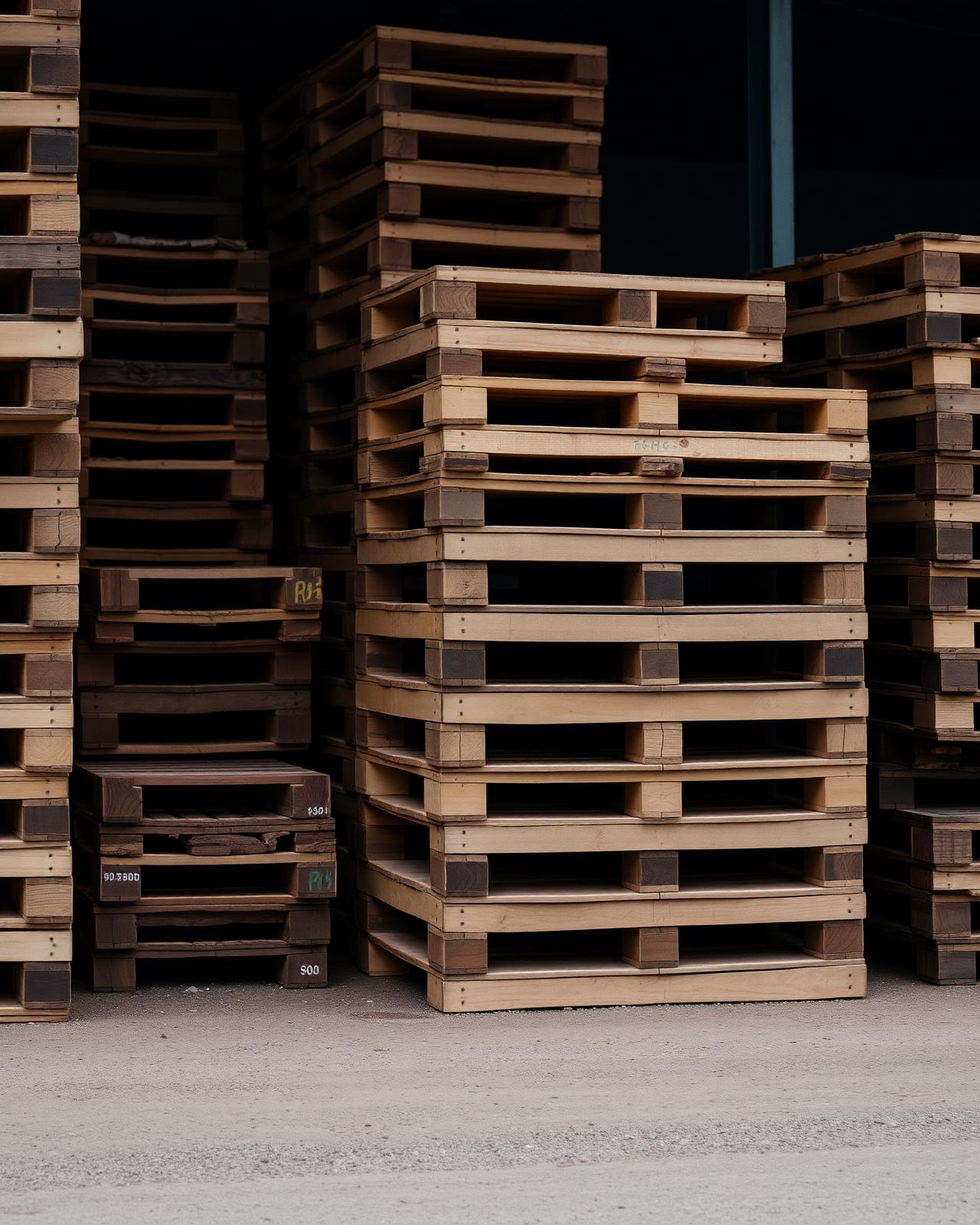
SIA Vudlande is looking for innovators, researchers, start-ups, technology developers and companies that have ideas or technologies for turning spruce and pine wood-processing residues into higher value-added products, materials or raw materials. Its production processes generate substantial daily volumes of planer shavings, sawdust, wood chips and bark.

Within the accelerator programme the selected team has funding of up to EUR 30,000 available for researching, developing and testing the solution and for assessing its technological and economic viability. Applications close on 26.08.2026.

Read the full challenge
Company challenges
Completed

Valmiermuižas alus

Brewing
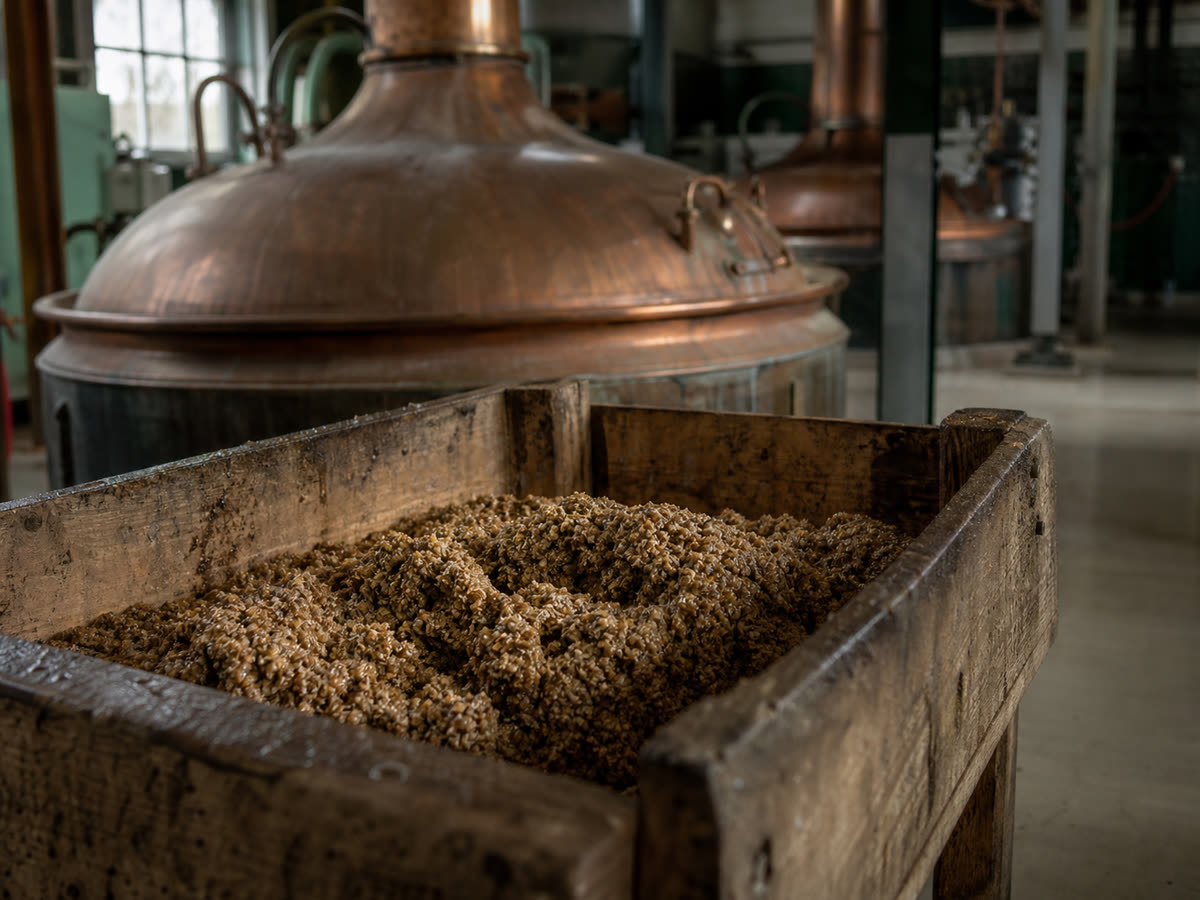
From production residue to edible mushrooms: what happens when mushrooms develop a taste for brewers' spent grain?

Challenge

Valmiermuižas alus was the first company to join the SINERGIA industrial symbiosis accelerator programme, starting with its own production residue: spent grain. Brewing generates a considerable volume of it, a fibre- and protein-rich material with a high moisture content. Until now it was used mainly as livestock feed, but the company wanted to find out whether a higher value-added solution was possible.

Symbiosis solution

Together with Dr. biol. Jānis Liepiņš, a leading researcher at the University of Latvia's Institute of Microbiology and Biotechnology, the idea emerged of using spent grain as a substrate for growing edible mushrooms. Lab tests assessed how different mushroom species grow on spent grain, looking for a technically and economically sound solution. The results showed that spent grain is a suitable substrate, particularly when supplemented with straw and gypsum. The king oyster mushroom (Pleurotus eryngii) performed best.

Environmental and economic assessment

Alongside the technical assessment, a life-cycle analysis (LCA) confirmed that growing mushrooms on a spent-grain substrate has no negative environmental impact compared with current handling practice. Initial economic calculations were also made, to gauge the commercial potential and the production volumes it would need.

Industrial symbiosis outlook

Aigars Ruņģis, the owner of Valmiermuižas alus, welcomed the progress and was ready to keep developing the solution, including growing and tasting further batches of mushrooms and taking a closer look at the space and infrastructure any scale-up would require. The team also joined an exchange visit to Belgium and the Netherlands, seeing practical industrial symbiosis in brewing and mushroom growing at first hand, including the PermaFungi initiative in Brussels. (Read more about the exchange visits HERE)

The project ran within the SINERGIA accelerator programme, delivered by RTU's Science and Innovation Centre and CLEANTECH LATVIA under the LIFE integrated project “Waste as resources in Latvia”. Thanks to Aigars Ruņģis for his openness to innovation and collaboration, to Dr. biol. Jānis Liepiņš for the scientific lead, and to the researchers involved for developing the solution.

Read about the project on LinkedIn
In progress

Valmieras piens un Smiltenes piens

Dairy processing

Challenge

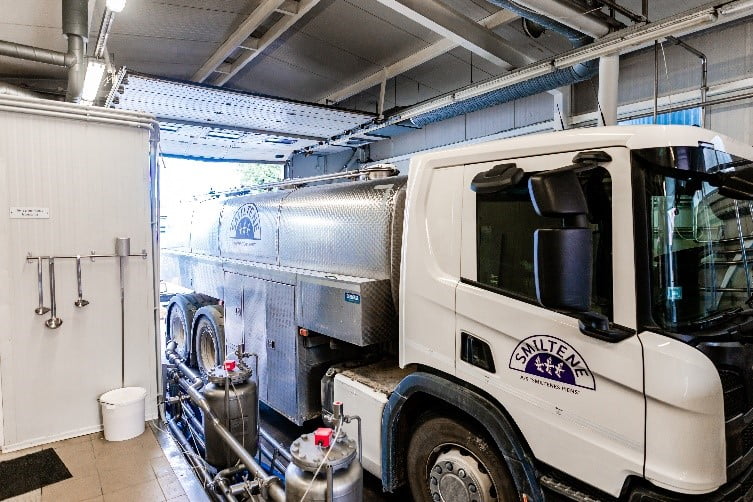
Producing curd cheese and fermented dairy products generates large volumes of acid whey, a by-product rich in organic matter, lactose and minerals. Until now it mostly went to biogas production, but that creates little added value and may become increasingly costly. Both Valmieras piens and Smiltenes piens faced the same challenge: finding a sustainable, economically sound way to use this resource more effectively.

Symbiosis solution

Both companies, together with the Latvia University of Life Sciences and Technologies (LBTU), began research into using acid whey to produce single-cell protein. The solution is built on a biotechnological process where acid whey serves as a substrate for growing specially selected microorganisms. Fermentation yields a high-value biomass that could later be used in food or animal feed. Within the accelerator, the team is evaluating substrate preparation, fermentation optimisation, biomass quality, and the potential to scale the technology up to industrial level.

Environmental and economic assessment

The solution is expected to significantly cut organic pollution and wastewater load, while turning a previously under-used by-product into a valuable resource. The project also includes economic modelling, analysing pilot-production scenarios and the technology's commercial potential in dairy processing.

Industrial symbiosis outlook

Valmieras piens and Smiltenes piens, together with LBTU, are continuing to develop the technology toward pilot-production level.

In progress

Valmieras Stikla šķiedra

Construction / glass fibre

Challenge

Glass-fibre production generates wastewater-treatment sludge containing zinc and aluminium compounds. These are currently classified as hazardous waste, adding handling costs and losing potentially valuable resources. To cut waste volumes and encourage reuse, Valmieras Stikla šķiedra is looking for ways to recover valuable metal compounds from the sludge and reuse them in production.

Symbiosis solution

The company joined the SINERGIA accelerator, partnering with researchers to develop a technology for recovering zinc and aluminium compounds from wastewater-treatment sludge. The project is exploring methods for metal-ion extraction, selective separation, and conversion into higher-value products, including zinc oxide (ZnO), aluminium oxide (Al₂O₃) and zinc acetate. It is also assessing the potential to reuse the recovered materials in glass-fibre production or other industries.

Environmental and economic assessment

The accelerator is analysing the technology's efficiency, the quality of recovered materials, and their potential industrial use, along with the process's economic viability and its potential to reduce hazardous-waste handling costs. The solution is expected to boost the use of secondary resources, cut the volume of waste sent to disposal, and reduce the need for extracting primary raw materials.

Industrial symbiosis outlook

The project is currently at an early development stage, with the main task of identifying the most suitable technological approaches for recovering metal compounds from wastewater sludge. If results are successful, the next step will be piloting the technology and assessing how to integrate it into the company's production processes.

In progress

Dimdiņi

Vegetable processing & growing

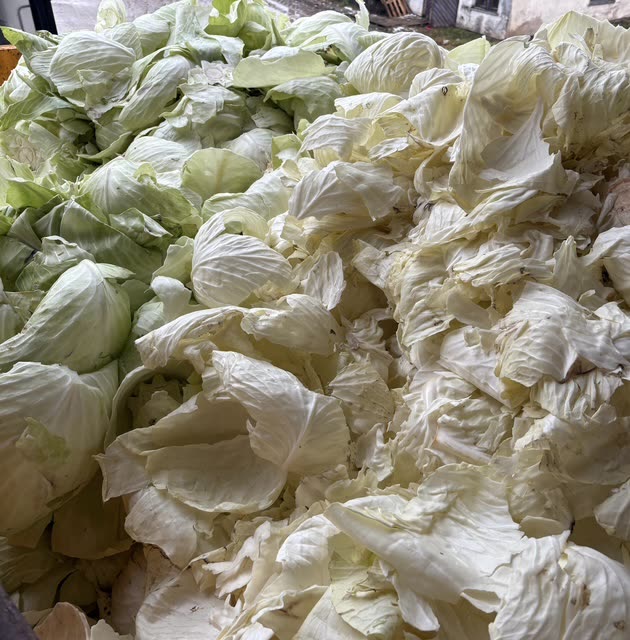
SIA Dimdiņi and SIA Dimdiņi agro generate large volumes of biological residue across vegetable processing and growing: about 81–180 t/month of processing waste (mostly cabbage), high-load beet wastewater, and roughly 100–200 t/month of outer cabbage leaves. Disposal is costly and leaves resource potential unused.

The accelerator sought zero-waste valorisation routes: food ingredients, animal feed, fermentation/biogas, composting and recovering resources from wastewater, aiming to divert at least 90% of the biological residue to useful use. These challenges are no longer open in the programme.

In progress

Stora Enso

Wood processing

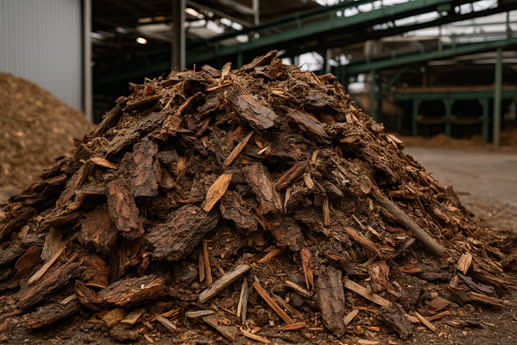
Wood processing produces low-quality bark, roughly 15,000–20,000 m³ a year. It is heterogeneous, high in moisture and mixed with sand, chips and wood debris, so it is hard to reuse and is currently treated mostly as waste with added disposal costs.

The accelerator seeks technologically and economically viable ways to reuse the bark along circular-economy lines: bioenergy, mulch or compost, or new bioproducts.

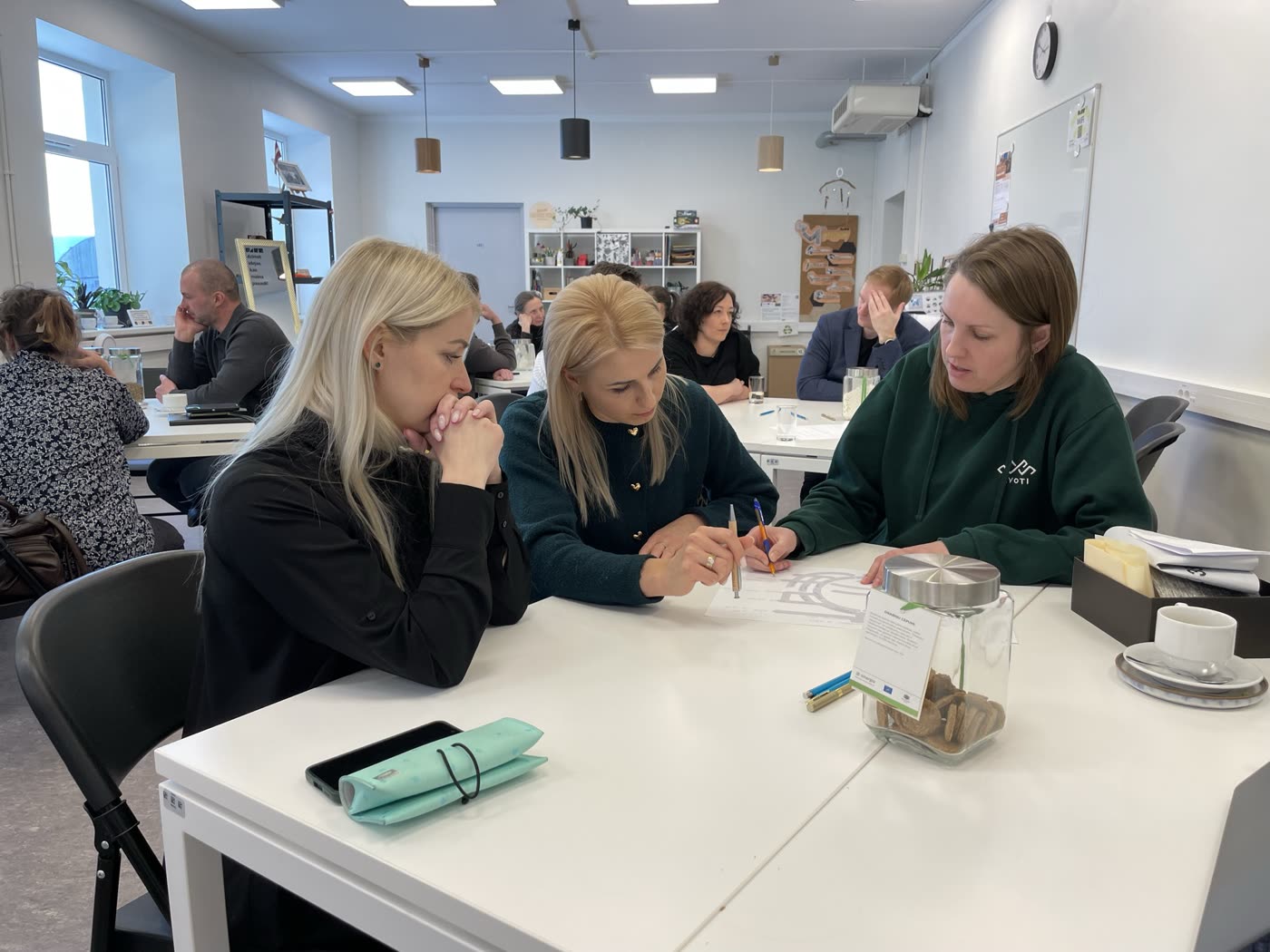
A look inside the accelerator