Find a high-value use for SIA Vudlande's wood production residues
Funding of up to EUR 30,000 for developing the solution
SIA Vudlande is looking for innovators, researchers, start-ups, technology developers and companies that have ideas or technologies for turning spruce and pine wood-processing residues into higher value-added products, materials or raw materials.
Within the programme the submitted ideas will be heard and assessed together with the company, in order to choose the most promising solution. The selected innovator will then begin work on developing the solution further together with the SIA Vudlande team, taking part in expert-led training and receiving mentoring support.
Within the accelerator programme the selected team has funding of up to EUR 30,000 available for researching, developing and testing the solution and for assessing its technological and economic viability.
About the challenge
SIA Vudlande is a wood-processing company working mainly with spruce and pine. Its production processes generate substantial daily volumes of planer shavings, sawdust, wood chips and bark.
Part of this material already goes into pellet, pulp or energy production, or is sold on the market. At the same time, the regular and significant residue flows create an opportunity to develop new, higher value-added uses.
The goal of the challenge
The goal of the challenge is to find a practically feasible solution in which SIA Vudlande's production residues become the raw material for a new product, a new material or another company's production process. The solution has to be technologically feasible, economically sound, scalable and capable of being integrated into the company's existing production environment.
The expected result
The initial analysis has to cover all of the listed production residue flows, while the detailed process development should concentrate on one to three priority solutions, so that the accelerator programme budget delivers a practically usable result.
The work is expected to:
- characterise the available production residue flows and their key quality parameters, including moisture, fraction distribution, bulk density, ash and mineral content, the share of bark and other admixtures, availability and seasonal variation;
- identify and assess the technologies best suited to small, medium and large commercial-scale processing, building a map of technology and product options;
- shortlist the 2–3 most promising product and technology directions and compare them by technological readiness, raw material requirements, market potential, added value, investment, operating costs and environmental benefit;
- select one priority solution or a set of mutually complementary solutions;
- develop and, as far as the programme allows, test a new or substantially adapted production process, including preparing a technological scheme, the main process parameters, a material balance and an initial energy balance, the equipment needed and the quality control principles;
- assess the technological integration into SIA Vudlande's production environment, covering raw material pre-treatment, storage, internal logistics, energy and infrastructure needs, and the link to existing processes;
- carry out laboratory or pilot-scale testing, where that is technically and financially possible within the programme;
- prepare an initial business model and economic calculation, covering the expected capacity, product sales, the range of investment and operating costs, revenue potential and the main sensitivity factors;
- prepare an implementation road map from piloting to commercial scale, setting out risks, the permits and certification needed, partners and sources of further funding.
Production residues and the initial specification
The table brings together the company's gross production volumes and the information available so far. The net volume actually available for a new solution will be specified taking existing internal use and sales commitments into account.
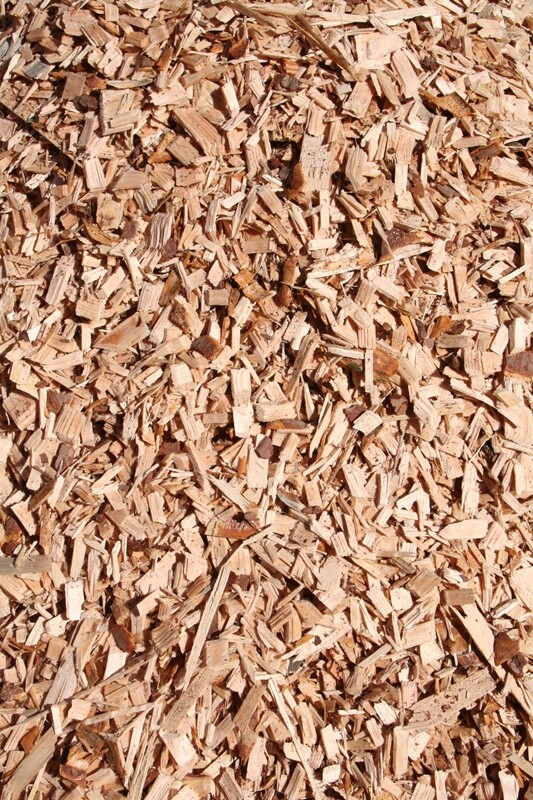
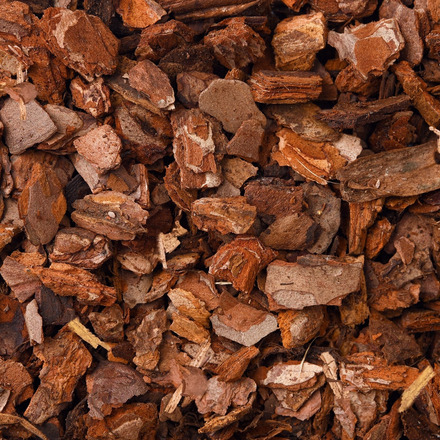
| Production residue | How it arises and the form of the material | Volume and availability | Parameters to be specified | Current use |
|---|---|---|---|---|
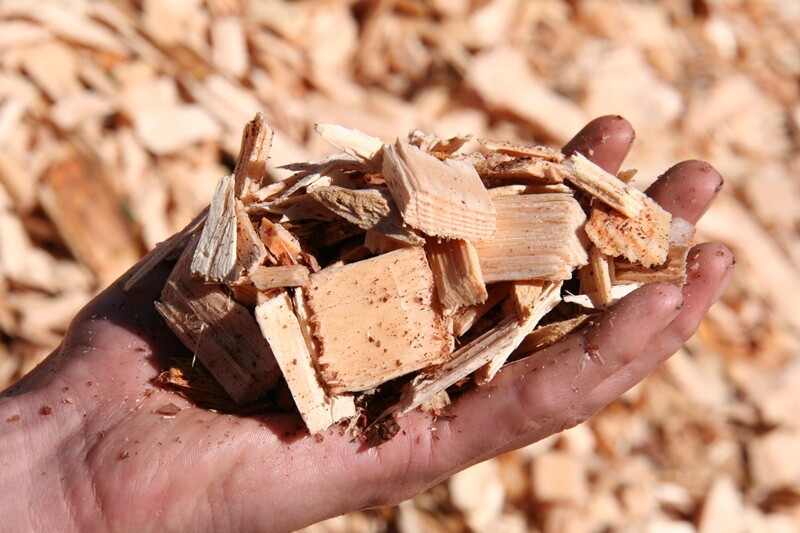
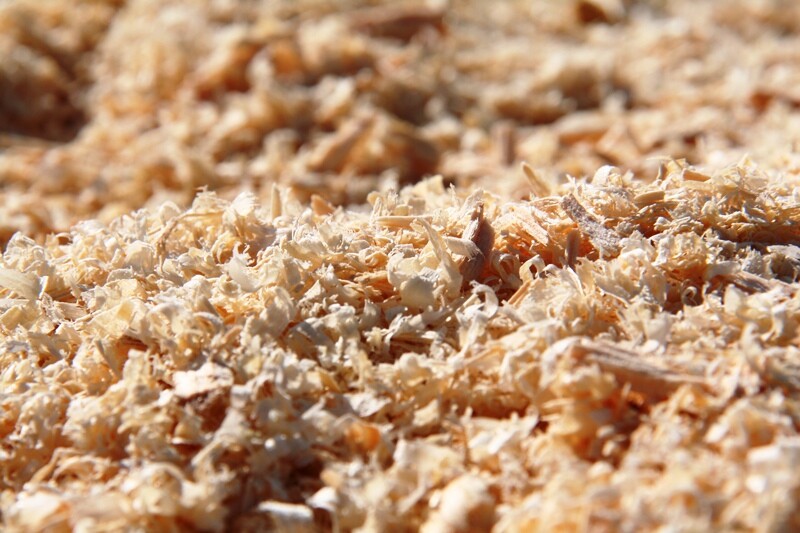
| Planer shavings | Planing of timber; a relatively uniform shavings fraction. Spruce and pine (~50/50). | Up to 300 m³/day; 109,500 m³/year. A regular flow. | Moisture, particle size and distribution, bulk density, ash and mineral content, seasonal variation. | Part in pellet production; the rest sold on at lower added value. |
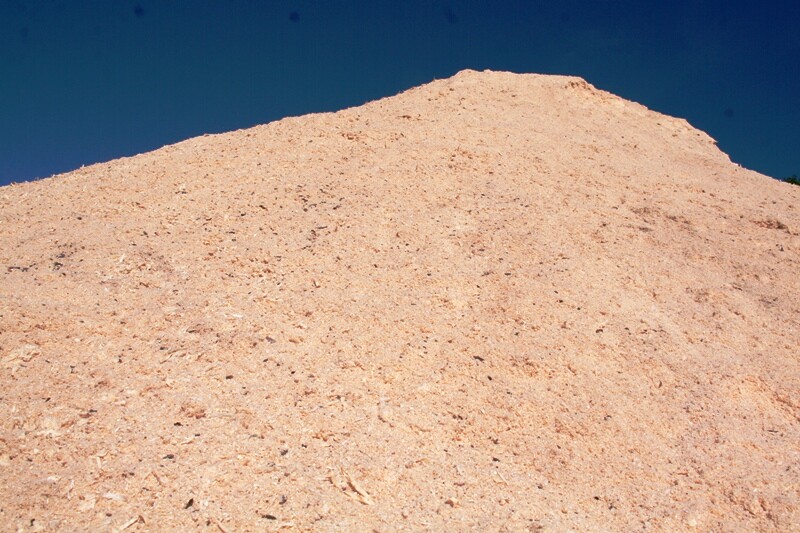
| Sawdust | Sawing and mechanical processing; a relatively uniform fraction of fine particles. Spruce and pine (~50/50). | Up to 800 m³/day; 292,000 m³/year. A regular flow. | Moisture, fraction distribution, bulk density, bark and mechanical admixtures, ash and mineral content, seasonal variation. | Part in pellet production; the remaining volume needs higher-value solutions. |
| Wood chips | Milling, edging of round sides and chip preparation; a fraction of pieces of varying size. Spruce and pine (~50/50). | Up to 800 m³/day; 292,000 m³/year. A regular flow. | Moisture, fraction distribution, bark content, bulk density, ash and mineral content, seasonal variation. | Part debarked and prepared for pulp production; higher-value uses sought for the rest. |
| Bark | Debarking of logs and wood material; bark particles of varying size and changeable uniformity. Spruce and pine. | Daily and annual volumes to be specified. A regular flow. | Moisture, particle size, bulk density, ash content, wood, sand and mineral admixtures. | Combustion for energy recovery. |
No significant chemical admixtures are stated for these flows. The combined gross volume of the three main flows can reach roughly 1,900 m³ per day, or 693,500 m³ per year. In the techno-economic calculations the volumes have to be converted into mass and dry-matter terms, using measured moisture and bulk density.
Possible solution directions
The list of directions is indicative and does not limit applicants. What will be assessed is not the novelty of the name of the industry but the novelty and soundness of the particular process, product, technology combination or integration model.
- biomaterials and biocomposites;
- construction, thermal insulation and acoustic materials;
- fibre products and industrial materials;
- extraction of wood components, including cellulose and lignin, and bio-based chemical feedstocks;
- biochar and other carbon materials;
- biorefining, obtaining several mutually complementary products from a single raw material;
- other technologically and economically sound industrial symbiosis solutions.
Requirements for the proposed solution
- alignment with circular economy and industrial symbiosis principles;
- a measurable benefit compared with the current use of the material, including higher added value and a justified environmental benefit;
- suitability for regular material flows and a clear path to a larger scale;
- technological feasibility and the ability to integrate into SIA Vudlande's production environment;
- a realistic work plan and budget, with results achievable during the programme;
- a clearly defined end product or raw material, its user, the market need and the value proposition;
- demonstrated team competence in technology, production, environmental and commercialisation matters.
Support within the accelerator programme
Within the accelerator programme the selected team has funding of up to EUR 30,000 available for developing the idea and the process, characterising the materials, laboratory or pilot-scale testing, assessing technological integration and preparing an initial techno-economic case.
The amount of funding and the activities have to be objectively justified and directly linked to the research, development, testing, techno-economic assessment and preparation for further implementation planned during the programme.
The desired result at the end of the programme
By the end of the programme the expected outcome is a decision, grounded in data and testing, on the most promising direction for the high-value use of SIA Vudlande's production residues, a developed or substantially adapted priority production process and technological integration model, and a practical road map for piloting, attracting investment and scaling up commercially.