What is industrial symbiosis?
A collaboration model where one company's waste becomes another's raw material.
The concept
Industrial symbiosis (IS) means stepping away from (or even abandoning) the traditional make → use → discard flow, building partnerships between industries to turn waste into new materials and resources.
Sharing resources between industrial sites saves raw materials and energy, cuts pollution and diverts waste from landfills, creating new business opportunities and jobs from residues and by-products.
IS gives companies a strong opportunity to collaborate on cost-effective, sustainable solutions for eliminating or reducing waste, benefiting revenue and helping cities and regions move to more sustainable, environmentally friendly industry.
Although Latvia has circular-economy-minded companies already reusing resources, many still lack the experience and knowledge of resource reuse, so it is important to identify and highlight symbiosis examples.
Symbiosis is already happening in Latvia
All symbiosis stories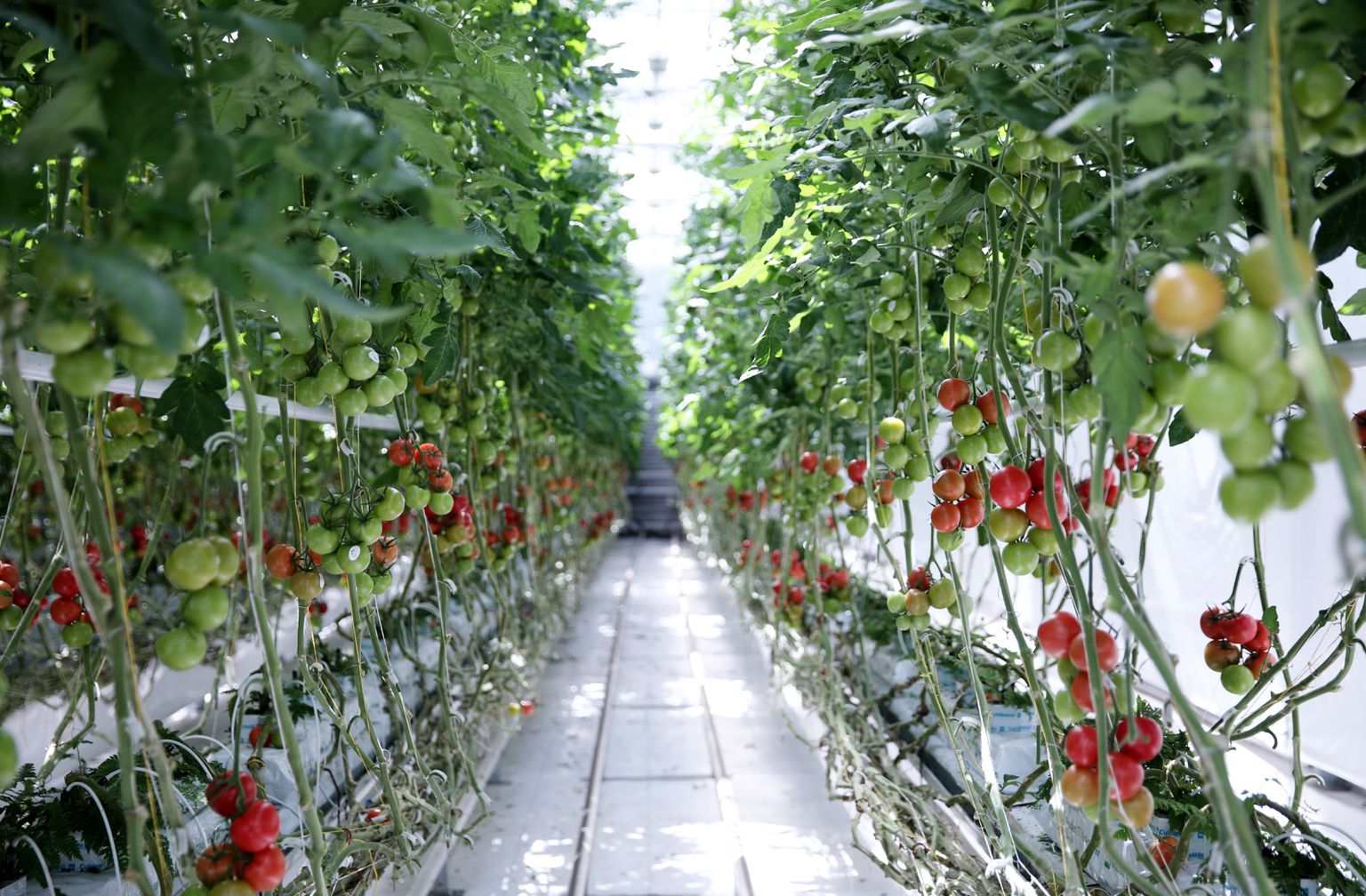
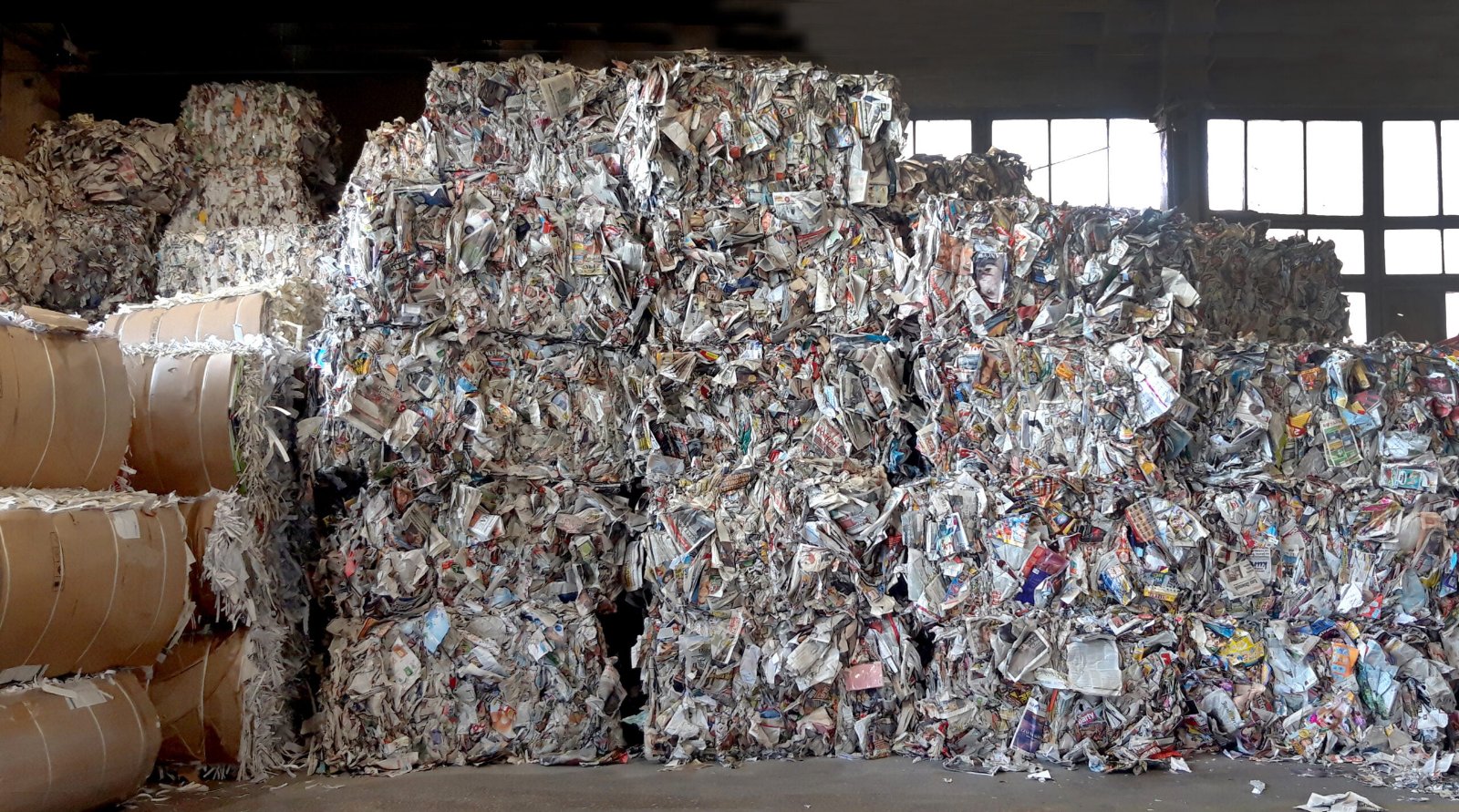
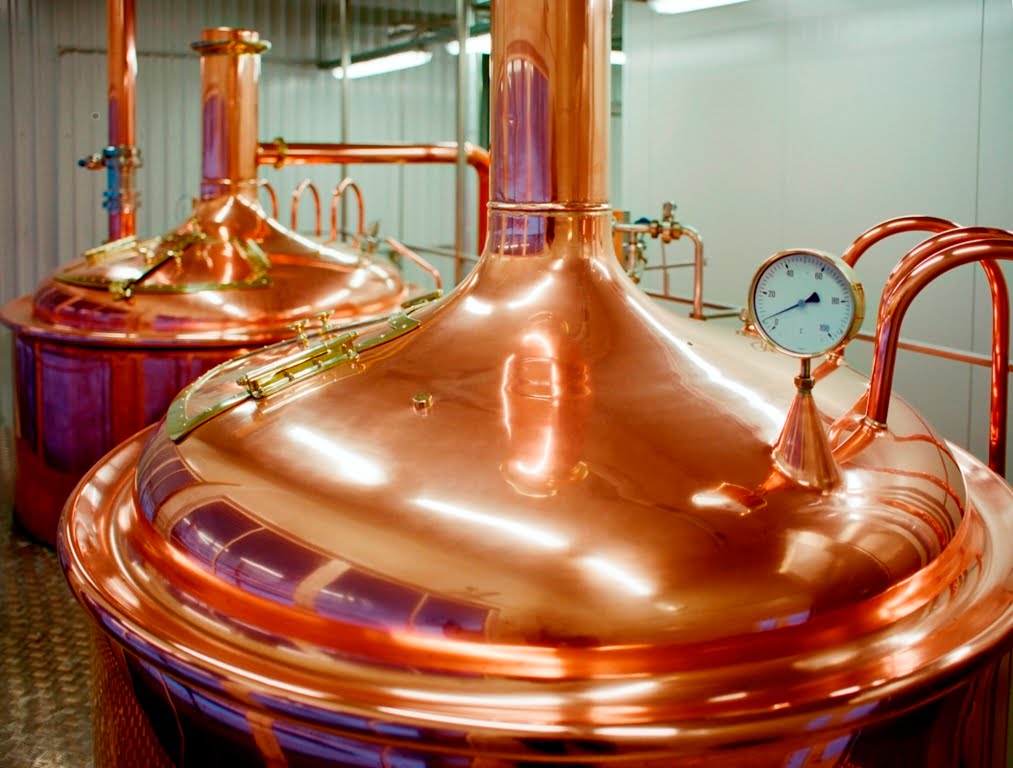
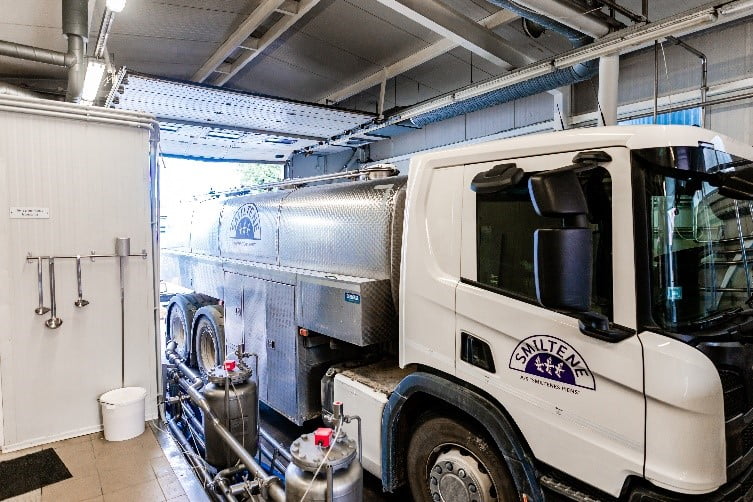
How to put industrial symbiosis into practice?
Industrial symbiosis is built on cooperation between companies that share resources, knowledge and infrastructure to extract the most value from production residues.
Benefits for companies and regions
A competitiveness question, not only an environmental one
Companies that have already put sustainable resource cycles and industrial symbiosis in place point to real competitive advantages.
The same direction is written into policy: since 2022 Latvia has been running the EU LIFE programme's integrated project “Waste as Resources in Latvia”, delivered by the ministry together with 21 partners, and Sinergia is one part of it.
About the projectBetter-value raw materials within your own region and lower spending on landfilling waste.
Readiness for EU regulatory requirements, circular economy principles in place and improved ESG indicators.
Whether a production residue can become a by-product rather than waste is set by Article 5 of the EU Waste Framework Directive (2008/98/EC) and point 5 of Cabinet Regulation No. 302.
Useful materials
Guides, studies and guidelines on industrial symbiosis and the circular economy.
Frequently asked questions
Short answers to the questions we hear most often from companies considering the symbiosis network.
All questionsWhat is industrial symbiosis?+
One of the circular economy models - industrial symbiosis - is a collaborative framework between different companies or industries where the waste or by-products of one company serve as resources for another. For example, sawdust from a furniture manufacturer can be used by a pellet producer, while food production by-products can be utilized for animal feed or biogas production. This is a synergistic relationship aimed at achieving efficient resource utilization and reducing environmental impact.
Who is the platform for?+
Sinergia is designed for manufacturers, scientific institutions, industry experts, as well as the government and public sectors.